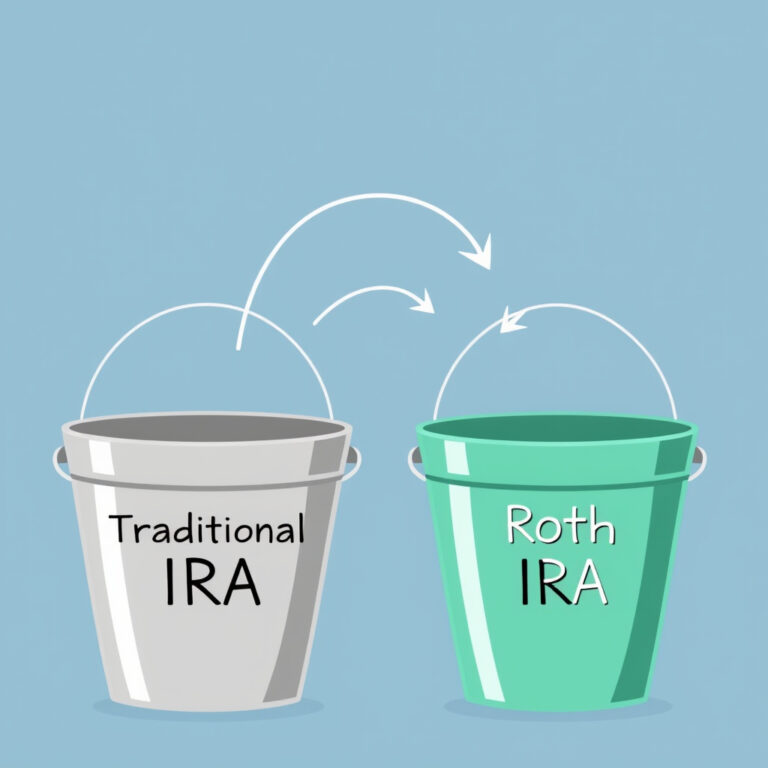

The Internal Revenue Service (IRS) has released Notice 2025-67, detailing the cost-of-living adjustments (COLAs) to various dollar limitations for qualified retirement plans and Individual Retirement Arrangements (IRAs) effective January 1, 2026. These annual adjustments are mandated by Section 415(d) of the Internal Revenue Code and are crucial for retirement planning and administration.
Contribution and Benefit Limits for Qualified Plans
Several limits affecting contributions and benefits under defined benefit and defined contribution plans have increased:
- Defined Benefit Plan Limit: The limitation on the annual benefit is increased from $280,000 to $290,000.
- Defined Contribution Plan Limit: The limitation on contributions is increased from $70,000 to $72,000.
- Elective Deferral Limit: The exclusion limit for elective deferrals (including those to the Thrift Savings Plan) is increased from $23,500 to $24,500. This also applies to deferred compensation plans of state and local governments and tax-exempt organizations.
Catch-Up Contributions
The amounts individuals aged 50 and over can contribute, in addition to the standard limits, have also been adjusted:
- Standard Catch-Up Contributions: The general limit for individuals aged 50 or over is increased from $7,500 to $8,000.
- SIMPLE Plan Catch-Up Contributions: The limit for individuals aged 50 or over participating in SIMPLE 401(k) or SIMPLE IRA plans is increased from $3,500 to $4,000.
- Specific Age Catch-Up Contributions: The higher catch-up limits for individuals who attain age 60, 61, 62, or 63 in 2026 remain at $11,250 (for most plans) and $5,250 (for SIMPLE plans).
- Roth Catch-Up Wage Threshold: The wage threshold is used to determine if 2026 catch-up contributions must be designated as Roth contributions is increased from $145,000 to $150,000.
Key Compensation and Employee Limits
Several thresholds related to highly compensated and key employees, as well as general compensation limits, have been modified:
- Annual Compensation Limit: The general annual compensation limitation is increased from $350,000 to $360,000.
- Key Employee Threshold: The threshold used to define a “key employee” for top-heavy plan purposes is increased from $230,000 to $235,000.
- Highly Compensated Employee Threshold: This threshold remains $160,000.
IRA Contribution and Phase-Out Changes
The deductible amount for IRA contributions and the adjusted gross income (AGI) phase-out ranges are also updated:
- Traditional IRA Deductible Amount: Increased from $7,000 to $7,500.
- IRA Catch-Up Contribution: Increased from $1,000 to $1,100 for individuals aged 50 or over.
- Traditional IRA Deduction Phase-Out Range (Single/Head of Household, Active Participant): Increased from $79,000–$89,000 to $81,000–$91,000.
- Roth IRA Contribution Phase-Out Range (Married Filing Jointly): Increased from $236,000–$246,000 to $242,000–$252,000.
- Roth IRA Contribution Phase-Out Range (Single/Head of Household): Increased from $150,000–$165,000 to $153,000–$168,000.
Actionable Steps for Plan Administrators and Individuals
Plan administrators should review their systems and documentation to ensure compliance with the new limits by the effective date of January 1, 2026. Individuals should note the increased contribution limits to maximize their retirement savings in the upcoming year.
For detailed information on all affected limitations, consult Notice 2025-67.
Retirement Savings Update: Key Cost-of-Living Adjustments for 2026
The Internal Revenue Service (IRS) has released Notice 2025-67, detailing the cost-of-living adjustments (COLAs) to various dollar limitations for qualified retirement plans and Individual Retirement Arrangements (IRAs) effective January 1, 2026. These annual adjustments are mandated by Section 415(d) of the Internal Revenue Code and are crucial for retirement planning and administration.
Contribution and Benefit Limits for Qualified Plans
Several limits affecting contributions and benefits under defined benefit and defined contribution plans have increased:
- Defined Benefit Plan Limit: The limitation on the annual benefit is increased from $280,000 to $290,000.
- Defined Contribution Plan Limit: The limitation on contributions is increased from $70,000 to $72,000.
- Elective Deferral Limit: The exclusion limit for elective deferrals (including those to the Thrift Savings Plan) is increased from $23,500 to $24,500. This also applies to deferred compensation plans of state and local governments and tax-exempt organizations.
Catch-Up Contributions
The amounts individuals aged 50 and over can contribute, in addition to the standard limits, have also been adjusted:
- Standard Catch-Up Contributions: The general limit for individuals aged 50 or over is increased from $7,500 to $8,000.
- SIMPLE Plan Catch-Up Contributions: The limit for individuals aged 50 or over participating in SIMPLE 401(k) or SIMPLE IRA plans is increased from $3,500 to $4,000.
- Specific Age Catch-Up Contributions: The higher catch-up limits for individuals who attain age 60, 61, 62, or 63 in 2026 remain at $11,250 (for most plans) and $5,250 (for SIMPLE plans).
- Roth Catch-Up Wage Threshold: The wage threshold used to determine if 2026 catch-up contributions must be designated as Roth contributions is increased from $145,000 to $150,000.
Key Compensation and Employee Limits
Several thresholds related to highly compensated and key employees, as well as general compensation limits, have been modified:
- Annual Compensation Limit: The general annual compensation limitation is increased from $350,000 to $360,000.
- Key Employee Threshold: The threshold used to define a “key employee” for top-heavy plan purposes is increased from $230,000 to $235,000.
- Highly Compensated Employee Threshold: This threshold remains $160,000.
IRA Contribution and Phase-Out Changes
The deductible amount for IRA contributions and the adjusted gross income (AGI) phase-out ranges are also updated:
- Traditional IRA Deductible Amount: Increased from $7,000 to $7,500.
- IRA Catch-Up Contribution: Increased from $1,000 to $1,100 for individuals aged 50 or over.
- Traditional IRA Deduction Phase-Out Range (Single/Head of Household, Active Participant): Increased from $79,000–$89,000 to $81,000–$91,000.
- Roth IRA Contribution Phase-Out Range (Married Filing Jointly): Increased from $236,000–$246,000 to $242,000–$252,000.
- Roth IRA Contribution Phase-Out Range (Single/Head of Household): Increased from $150,000–$165,000 to $153,000–$168,000.
Actionable Steps for Plan Administrators and Individuals
Plan administrators should review their systems and documentation to ensure compliance with the new limits by the effective date of January 1, 2026. Individuals should note the increased contribution limits to maximize their retirement savings in the upcoming year.
For detailed information on all affected limitations, consult Notice 2025-67.
📊 2026 Retirement Plan and IRA Contribution Limit Changes (2025 vs. 2026)
| Retirement Plan Limit | 2025 Amount | 2026 Amount | Increase |
| Defined Benefit Plan Maximum Annual Benefit | $280,000 | $290,000 | $10,000 |
| Defined Contribution Plan Maximum Contribution | $70,000 | $72,000 | $2,000 |
| Elective Deferral Limit (401(k), 403(b), TSP, etc.) | $23,500 | $24,500 | $1,000 |
| Standard Catch-up Contribution (Age 50+) | $7,500 | $8,000 | $500 |
| SIMPLE Plan Elective/Salary Reduction Limit | $16,500 | $17,000 | $500 |
| SIMPLE Plan Catch-up Contribution (Age 50+) | $3,500 | $4,000 | $500 |
| Traditional/Roth IRA Deductible/Contribution Limit | $7,000 | $7,500 | $500 |
| Traditional/Roth IRA Catch-up Contribution (Age 50+) | $1,000 | $1,100 | $100 |
| Annual Compensation Limitation | $350,000 | $360,000 | $10,000 |
Key Non-Contribution Limits
| Plan Limit / Threshold | 2025 Amount | 2026 Amount |
| Key Employee Threshold (Top-Heavy Plans) | $230,000 | $235,000 |
| Roth Catch-up Wage Threshold (For mandatory Roth contributions) | $145,000 | $150,000 |
| SEP Minimum Compensation (For requiring a contribution) | $750 | $800 |
| Highly Compensated Employee Threshold | $160,000 | $160,000 (Remains Unchanged) |
2026 IRA and Roth IRA AGI Phase-Out Ranges
Here are the Adjusted Gross Income (AGI) phase-out ranges for determining the deductibility of Traditional IRA contributions and the maximum contribution allowed for a Roth IRA, effective for 2026.
IRA Deduction Phase-Outs (Active Participants in a Workplace Plan)
For taxpayers who are active participants in a qualified retirement plan (or another specified retirement plan), the deduction for contributions to a Traditional IRA is phased out over the following AGI ranges in 2026:
| Filing Status | 2025 AGI Phase-Out Range | 2026 AGI Phase-Out Range |
| Single / Head of Household | $79,000 to $89,000 | $81,000 to $91,000 |
| Married Filing Jointly (IRA contributor is active participant) | $126,000 to $146,000 | $129,000 to $149,000 |
| Married Filing Separately (Active participant) | $0 to $10,000 (Remains Unchanged) | $0 to $10,000 (Remains Unchanged) |
| Non-Active Participant Spousal IRA (Spouse is active participant) | $236,000 to $246,000 | $242,000 to $252,000 |
Roth IRA Contribution Phase-Outs
The maximum amount a taxpayer can contribute to a Roth IRA is phased out over the following AGI ranges in 2026:
| Filing Status | 2025 AGI Phase-Out Range | 2026 AGI Phase-Out Range |
| Single / Head of Household | $150,000 to $165,000 | $153,000 to $168,000 |
| Married Filing Jointly / Qualifying Widow(er) | $236,000 to $246,000 | $242,000 to $252,000 |
| Married Filing Separately | $0 to $10,000 (Remains Unchanged) | $0 to $10,000 (Remains Unchanged) |
Source IRS Notice 2025-67
Tax Disclaimer
Investment advice offered through Stratos Wealth Advisors, LLC, a registered investment advisor. Stratos Wealth Advisors and Synergy Wealth Management are separate entities.
Neither Stratos nor Synergy Wealth Management provides legal or tax advice. Please consult legal or tax professionals for specific information regarding your individual situation.